
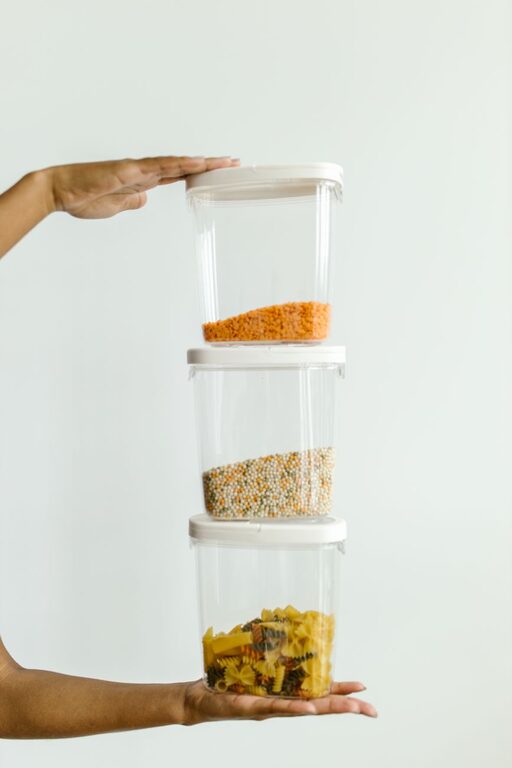
Planning meals from pantry staples is a smart way to simplify your cooking routine, save money, and reduce food waste. Your pantry likely holds a variety of canned goods, dry grains, spices, and other essentials that can come together to create tasty and nutritious meals. This guide will help you organize your pantry, develop meal ideas, and plan your weekly menu based on what you already have on hand.
Understanding Your Pantry Staples
Before diving into meal planning, it’s important to familiarize yourself with what pantry staples you have. Common pantry staples include:
– Grains and pasta: rice, quinoa, pasta, couscous, oats
– Canned goods: beans, tomatoes, coconut milk, tuna, vegetables
– Baking essentials: flour, sugar, baking powder, yeast
– Oils and vinegars: olive oil, vegetable oil, balsamic vinegar, apple cider vinegar
– Spices and herbs: salt, pepper, cumin, paprika, dried basil, oregano
– Nuts and seeds: almonds, peanuts, chia seeds
– Other basics: broth or bouillon cubes, nut butters, soy sauce
Take inventory of your pantry and write down what you have. This will help you know exactly what ingredients you can use when planning meals.
How to Plan Meals Around Pantry Staples
Step 1: Choose a Meal Framework
Start by deciding what types of meals you want to prepare. The main categories might include:
– Soups and stews
– Pasta dishes
– Rice or grain bowls
– Salads with canned beans or tuna
– Stir-fries or sautés (using canned vegetables and oils)
– Breakfast options such as oatmeal or pancakes
Selecting a few frameworks helps you mix and match pantry items with fresh or frozen produce.
Step 2: Match Staples to Recipes
Using your pantry list, think about meals you can create. Here are some examples:
– Tomato and bean soup: canned tomatoes, canned beans, broth, spices
– Pasta with garlic and olive oil: pasta, olive oil, garlic powder or fresh garlic, chili flakes
– Rice and chickpea bowl: rice, canned chickpeas, cumin, olive oil, fresh lemon or vinegar
– Tuna salad: canned tuna, mayonnaise or olive oil, canned corn or beans, vinegar, spices
– Oatmeal with nuts: oats, nuts, dried fruit, cinnamon
Look for basic recipes online or in cookbooks that use pantry ingredients you own.
Step 3: Incorporate Fresh and Frozen Ingredients
While pantry staples are the foundation, adding fresh or frozen vegetables, fruits, and proteins can enhance flavor and nutrition. Plan your grocery shopping around what you need to complement your pantry meals. For example:
– Fresh spinach or kale for soups or rice bowls
– Frozen mixed vegetables for stir-fries or pasta dishes
– Fresh herbs like cilantro or parsley for garnishes
Step 4: Create a Weekly Meal Plan
Using your recipes and pantry inventory, draft a meal plan for the week. This can be as simple as:
– Monday: Pasta with tomato sauce and canned mushrooms
– Tuesday: Chickpea and rice bowl with spinach
– Wednesday: Tuna salad with canned corn and beans
– Thursday: Lentil soup with canned tomatoes
– Friday: Stir-fry with frozen vegetables and rice
Having a plan saves time and decision fatigue during the week.
Tips for Effective Pantry Meal Planning
Organize Your Pantry
Keep your pantry tidy and organized so you can easily see what you have. Use clear containers for dry goods and group similar items together. Label shelves or containers to find ingredients quickly.
Rotate Ingredients
Use older ingredients first before opening new packages. This helps reduce waste and keeps your pantry fresh.
Stock Versatile Staples
Keep versatile staples on hand that can be used in multiple dishes — such as canned beans, rice, pasta, canned tomatoes, and a variety of spices.
Experiment with Spices
Spices can transform basic pantry ingredients into flavorful meals. Experiment with different spice combinations to keep meals interesting.
Prep Ingredients Ahead
If you have time, pre-cook grains or chop vegetables and store them in the fridge. This will speed up meal preparation during busy days.
Sample Pantry Staples Recipes
1. Easy Chickpea Curry
– 1 can chickpeas (drained)
– 1 can diced tomatoes
– 1 onion, chopped (optional)
– 1 tbsp oil
– 1 tsp cumin
– 1 tsp turmeric
– Salt and pepper to taste
Heat oil, sauté onion until soft. Add spices, then tomatoes and chickpeas. Simmer 15 minutes. Serve over rice.
2. Pasta Aglio e Olio
– 8 oz pasta
– 3 tbsp olive oil
– 3 cloves garlic, sliced
– Red pepper flakes (optional)
– Salt and pepper to taste
– Parsley (optional)
Cook pasta. Heat oil, sauté garlic until golden. Add red pepper flakes. Toss pasta in oil mixture. Garnish with parsley.
3. Lentil Soup
– 1 cup dried lentils or 1 can lentils
– 1 can diced tomatoes
– 1 onion, chopped
– 2 cloves garlic, minced
– 4 cups vegetable broth or water
– 1 tsp thyme or oregano
– Salt and pepper
Sauté onion and garlic. Add lentils, tomatoes, broth, and spices. Simmer 30 minutes or until lentils are tender.
Conclusion
Meal planning with pantry staples is a practical, cost-effective way to feed your family delicious and satisfying meals. By taking stock of your pantry, selecting versatile recipes, and integrating fresh ingredients, you can create a flexible meal plan that suits your lifestyle. With a little preparation and creativity, your pantry staples can become the building blocks for countless tasty dishes.
Happy cooking!