
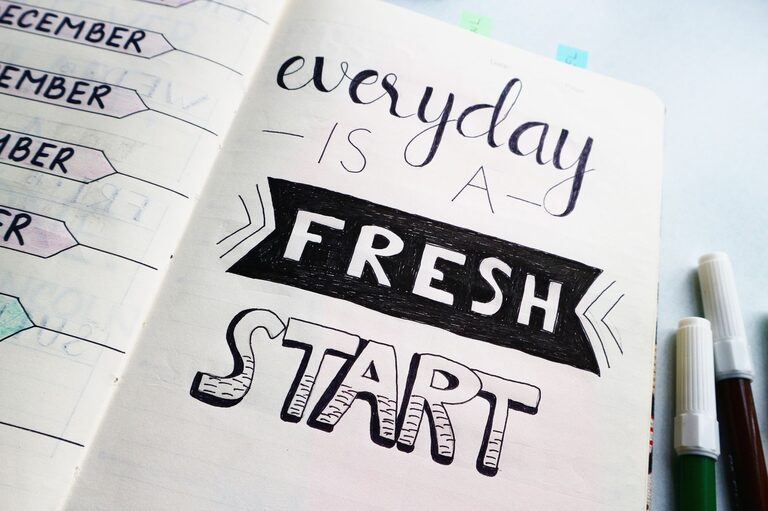
Creativity isn’t just for artists or writers—it’s a skill everyone can nurture and enjoy. Practicing creativity every day can improve problem-solving skills, enhance your mood, and even make your daily routine more exciting. The good news is that you don’t need special tools or a lot of time to get started. Here are some simple, practical ways to bring more creativity into your life each day.
Why Practice Creativity Daily?
Before diving into the tips, it helps to understand why daily creative practice matters. Like any skill, creativity strengthens with regular use. When you engage your creative muscles often, you become better at thinking outside the box, connecting ideas, and finding new solutions. This benefits not only artistic projects but also everyday challenges and work tasks.
1. Start a Creative Journal
One of the easiest ways to practice creativity is to keep a journal dedicated to your ideas, observations, and inspirations.
– Spend 5-10 minutes each day writing freely about whatever comes to mind.
– Sketch small doodles or diagrams to express thoughts visually.
– Write down ideas for projects, stories, or improvements around you.
This habit encourages your brain to generate fresh ideas and makes it easier to track your creative progress over time.
2. Try a Daily Creative Prompt
Using prompts can jumpstart your imagination and help you think differently.
– Look for daily prompt lists online—these could be writing prompts, drawing prompts, or photography challenges.
– Choose one prompt each day and spend a few minutes responding to it.
– Don’t worry about the quality; focus on the act of creating.
This routine will help you approach creativity playfully and with less pressure.
3. Change Your Routine
Creativity thrives when you break free from monotony.
– Take a different route to work or school.
– Rearrange your workspace regularly.
– Try a new hobby or activity once a week.
Changing your environment or habits introduces new experiences and fresh perspectives that can inspire creative thinking.
4. Practice Mindfulness and Observation
Creative ideas often come from keen observation and being present.
– Spend time each day simply observing your surroundings.
– Notice details you might usually overlook—colors, textures, sounds.
– Practice mindfulness or meditation to clear mental clutter and enhance focus.
This practice helps you become more aware of the world, fueling your imagination.
5. Limit Screen Time and Create Analog
Taking breaks from screens encourages different kinds of creativity.
– Dedicate some time daily to analog activities like drawing, writing by hand, or crafting.
– Use physical tools—a notebook, colored pencils, or clay.
– Enjoy creative activities without digital distractions.
This approach can tap into sensory experiences that digital devices often miss.
6. Collaborate or Share Ideas
Engaging with others can spark new creative insights.
– Share your ideas with friends or online communities.
– Participate in group brainstorming sessions.
– Collaborate on a creative project.
Different perspectives open up new possibilities and keep your creativity fresh.
7. Set Small, Achievable Creative Goals
Setting manageable goals helps you stay motivated and consistent.
– For example, aim to write one sentence a day or sketch a simple shape.
– Celebrate small wins and gradually increase your creative challenges.
– Keep track of your goals to see your growth.
Over time, these small achievements build confidence and creative momentum.
8. Keep a Collection of Inspirations
Gathering inspiration can fuel your creativity whenever you need a boost.
– Collect images, quotes, snippets of conversation, or interesting articles.
– Create a physical or digital mood board.
– Revisit your collection regularly for new ideas.
Having a personal inspiration library makes creativity easier and more enjoyable.
9. Embrace Mistakes and Experiment
Creativity often involves trial and error.
– Allow yourself to make mistakes without judgment.
– Try new techniques or mix different styles.
– View failures as learning opportunities rather than setbacks.
This mindset helps you experiment freely and discover unique creative paths.
Conclusion
Practicing creativity every day doesn’t require hours of time or special skills. By incorporating simple habits like journaling, observing your surroundings, and trying new things, you can nurture your creative potential and enjoy the process along the way. Remember, creativity is a journey, and small steps can lead to wonderful discoveries. So start today and watch your imagination grow!