
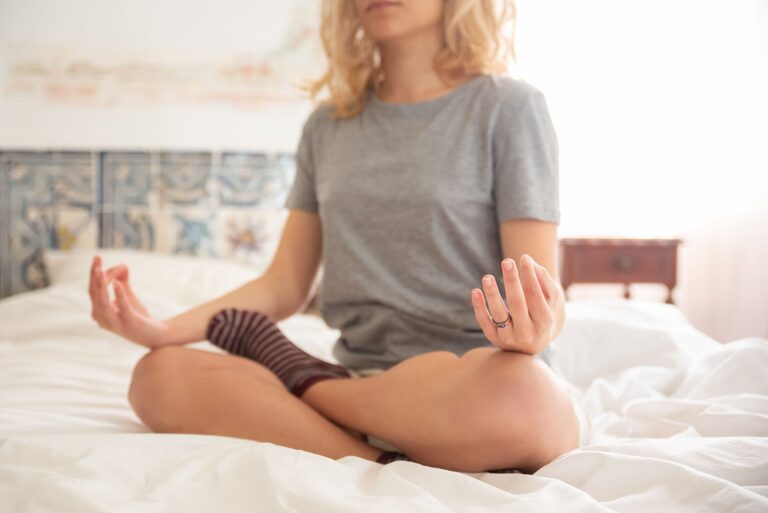
Mindfulness is a simple but powerful practice that helps bring attention to the present moment. It encourages us to observe our thoughts, feelings, and surroundings without judgment. Adopting mindfulness in daily life can improve focus, reduce stress, and promote overall well-being. The good news is you don’t need special equipment or a lot of time to start practicing mindfulness. Here are some easy mindfulness techniques you can incorporate into your everyday routine.
What is Mindfulness?
Mindfulness means paying full attention to what is happening right now. Instead of getting caught up in worries about the past or future, mindfulness invites you to notice each moment as it unfolds. This can help calm a busy mind and create a sense of peace.
Benefits of Practicing Mindfulness Daily
– Reduces stress and anxiety
– Improves concentration and memory
– Enhances emotional regulation
– Boosts overall mood and well-being
– Promotes better sleep quality
Even a few minutes of mindfulness each day can make a difference. Let’s explore some simple practices you can try.
Easy Mindfulness Practices to Try
1. Mindful Breathing
One of the simplest ways to practice mindfulness is by focusing on your breath.
How to do it:
– Sit or lie down comfortably.
– Close your eyes if you like.
– Take slow, deep breaths in through your nose and out through your mouth.
– Pay attention to the sensation of the air entering and leaving your body.
– If your mind wanders, gently bring your focus back to your breath.
Try this for 3 to 5 minutes, gradually increasing the time if you wish.
2. Body Scan Meditation
This technique helps you become aware of physical sensations and releases tension.
Steps:
– Find a quiet place and lie down or sit comfortably.
– Close your eyes and take a few deep breaths.
– Slowly focus your attention on different parts of your body, starting from your toes and moving up to your head.
– Notice any areas of tension, warmth, or discomfort without trying to change them.
A body scan can help you relax and connect with your body.
3. Mindful Walking
You don’t need to be still to practice mindfulness. Walking mindfully lets you appreciate the sensations of movement.
How to practice:
– Choose a quiet place to walk, like a park or your backyard.
– Walk slowly and focus on the feeling of your feet touching the ground.
– Notice the rhythm of your steps, the sounds around you, and the sights you see.
– If your mind drifts, gently return your focus to your walking.
Even a 10-minute mindful walk can refresh your mind.
4. Mindful Eating
Eating can become a mindful experience by slowing down and savoring your food.
Try this:
– Eat without distractions like TV or smartphones.
– Look at your food, notice the colors, texture, and smell.
– Take small bites and chew slowly, paying attention to the taste.
– Notice how your body feels as you eat—are you hungry or full?
Mindful eating can improve digestion and satisfaction.
5. Gratitude Practice
Focusing on what you are thankful for can enhance mindfulness and positivity.
Simple steps:
– Each day, write down 3 things you are grateful for.
– Reflect on why these things matter to you.
– Try to really feel the gratitude as you think of these things.
This practice shifts attention away from worries and toward positive experiences.
Tips for Building a Mindfulness Habit
– Start small: Even 2-5 minutes a day is beneficial.
– Be consistent: Try to practice mindfulness at the same time each day.
– Use reminders: Set alarms or notes to cue mindfulness breaks.
– Be patient: It’s normal for your mind to wander. Gently guide it back without judgment.
– Mix it up: Explore different mindfulness techniques to find what suits you best.
Common Challenges and How to Overcome Them
– Restless mind: Accept that wandering thoughts happen. Mindfulness is about noticing without struggling.
– Lack of time: Fit mindfulness into daily activities like brushing teeth or waiting in line.
– Discomfort sitting still: Try standing or walking mindfulness instead.
Remember, the goal isn’t perfection but awareness.
Final Thoughts
Simple mindfulness practices are accessible tools anyone can use to nurture calm and clarity in everyday life. By bringing your attention to the present moment, you create space for peacefulness amid life’s busyness. Start with one technique that feels comfortable and build your mindfulness habit over time. Your mind and body will thank you!