
Living in a noisy environment can be stressful and disruptive, especially at home where you want to relax and feel comfortable. Whether it’s street noise, loud neighbors, or everyday sounds inside your house, reducing noise can significantly improve your quality of life. Fortunately, you don’t need to invest in expensive soundproofing to enjoy a quieter home. Here are some simple, practical ways you can reduce noise and create a more peaceful space.
Understanding Noise Sources at Home
Before tackling noise issues, it helps to identify the main sources. Common types of noise at home include:
– Outside noise: Traffic, construction, lawnmowers, barking dogs, and neighbors.
– Indoor noise: Appliances, conversations, TVs, footsteps, and children playing.
– Structural noise: Sounds traveling through walls, floors, ceilings, and doors.
By understanding where noise is coming from, you can choose the most effective solutions.
Simple Ways to Reduce Noise at Home
1. Use Soft Furnishings to Absorb Sound
Hard surfaces reflect sound, making rooms feel louder. Adding soft textures can help absorb noise.
– Rugs and Carpets: Place area rugs or carpets on floors to reduce noise from footsteps and echoes.
– Curtains: Heavy, thick curtains or sound-absorbing window treatments can block outside noise and reduce reverberation inside.
– Upholstered Furniture: Sofas, chairs, and cushions help absorb sound waves and soften the acoustics.
2. Seal Gaps Around Doors and Windows
Gaps or cracks around windows and doors allow noise to enter. Sealing these can block unwanted sounds.
– Weatherstripping: Apply adhesive weatherstripping around door frames and window sashes to close gaps.
– Door Sweeps: Attach door sweeps to the bottom of doors to seal the space between the door and floor.
– Caulking: Use caulk to seal cracks or gaps in walls, window frames, and baseboards.
3. Rearrange Your Furniture
Strategic furniture placement can help block or absorb sound.
– Bookshelves: Place filled bookshelves against walls that face noisy areas to create a sound barrier.
– Couches and Chairs: Position furniture away from noisy walls or windows.
– Headboards: Use upholstered headboards in bedrooms to cushion noise from walls.
4. Add Soundproofing Materials
For more effective noise reduction, consider incorporating specific soundproofing materials.
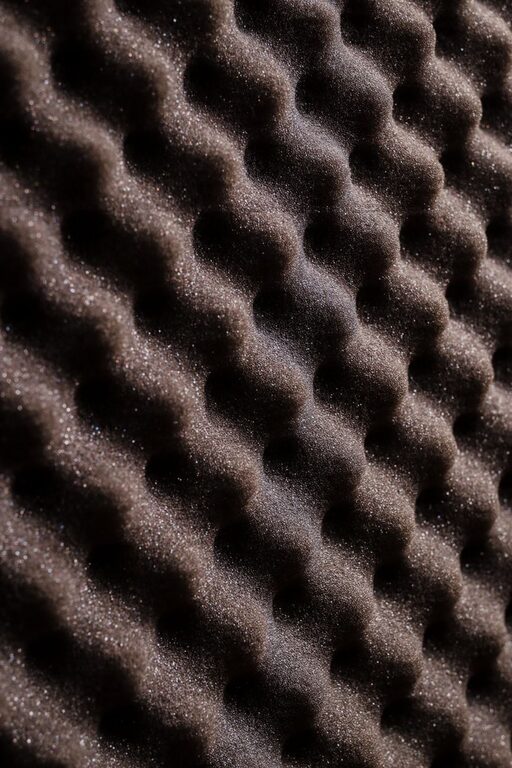
– Acoustic Panels: Wall-mounted acoustic panels reduce echo and absorb sound in living and workspaces.
– Door and Window Inserts: Secondary glazing or window inserts create an extra barrier to outdoor noise.
– Soundproof Underlayment: If you have hard floors, installing soundproof underlayment beneath flooring can reduce noise transmission.
5. Use White Noise or Sound Machines
Sometimes blocking noise completely isn’t possible. Using white noise can help mask disruptive sounds.
– White Noise Machines: Devices that produce soothing background sounds like rain, ocean waves, or static.
– Fans or Air Purifiers: These appliances can also create white noise that reduces the impact of sudden loud sounds.
6. Minimize Noise from Appliances
Appliances can create a lot of background noise.
– Maintenance: Regularly clean and maintain your appliances to reduce rattling or buzzing.
– Soft Pads: Place rubber pads or mats under noisy appliances to reduce vibrations.
– Timely Use: Run loud appliances like dishwashers or laundry machines during daytime hours when noise is less disruptive.
7. Control Footstep Noise
Hard floors can amplify footsteps, especially in multi-level homes.
– Area Rugs: As mentioned earlier, rugs help reduce impact noise.
– Carpet Runners: Use runners in hallways and stairs to soften footsteps.
– Slippers or Socks: Wearing soft footwear indoors can decrease footstep sounds.
Additional Tips for a Quieter Home
– Close Doors and Windows: Keeping doors and windows closed reduces sound travel.
– Use Plants: Large indoor plants and greenery can absorb sound and add beauty.
– Talk Softly: Encourage family members to lower voices when noise levels are high.
– Schedule Quiet Hours: Set up quiet times at home, especially if working or studying remotely.
When to Consider Professional Help
If noise problems persist despite your efforts, or if you want more comprehensive soundproofing, consulting a professional may be beneficial. Experts can assess your home and recommend solutions like wall insulation, double-glazed windows, or specialized soundproof construction.
Conclusion
Reducing noise at home doesn’t have to be complicated or expensive. Simple changes like adding rugs, sealing gaps, rearranging furniture, and using white noise can make a big difference. By understanding the sources of noise and applying these practical tips, you can enjoy a more peaceful and comfortable living environment. Start with easy fixes and gradually enhance your home’s quietness for better rest, focus, and relaxation.