
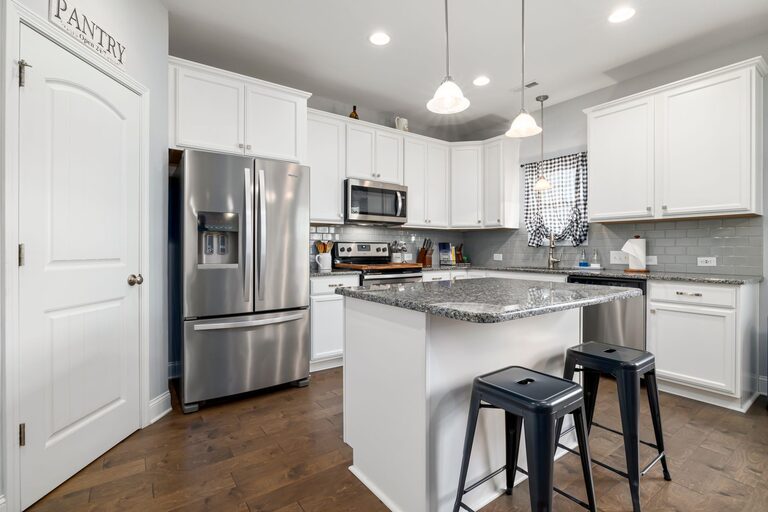
Keeping your fridge and pantry tidy can make a big difference in how you plan meals, find ingredients, and reduce food waste. A well-organized kitchen space saves time and frustration, and can even help your groceries last longer. Whether you have a small apartment fridge or a large pantry, the following tips will guide you in creating and maintaining a neat and orderly food storage system.
Why Keeping Your Fridge and Pantry Organized Matters
An organized fridge and pantry not only look better, but they also make your life easier. When everything has a place, you spend less time digging around and more time cooking or enjoying your meals. It also allows you to keep track of what you have, reducing duplicate purchases and food spoilage.
Start With a Clean Slate: Clear and Clean
Before organizing, it’s important to start fresh.
- **Empty Everything Out**
Take all items out of your fridge and pantry. This helps you see exactly what you have and what you might need to toss.
- **Check Expiration Dates**
Sort through your food and discard anything expired or no longer safe to eat.
- **Clean Surfaces**
Wipe down all shelves, drawers, and storage containers with a mild cleaner or a mix of water and vinegar. This step helps eliminate spills, crumbs, and bacteria.
Organizing Your Fridge: Smart Tips
Group Similar Items Together
Organizing by category makes it easier to find what you need quickly.
– Top shelves: Ready-to-eat foods like leftovers, drinks, and snacks.
– Middle shelves: Dairy products such as cheese, yogurt, and milk.
– Bottom shelves: Raw meat, fish, and poultry to avoid cross-contamination.
– Drawers: Use for fruits and vegetables; keep these separate to maintain freshness.
Use Clear Storage Containers and Labels
Clear bins or containers help keep items contained and visible. Label each container or shelf section to remind yourself what belongs where. This encourages everyone in the household to return items to their rightful place.
Utilize Door Storage Efficiently
The fridge door is warmer than other areas, so store condiments, juices, and other less perishable items there. Avoid storing milk or eggs in the door as they need cooler, more consistent temperatures.
Practice First In, First Out (FIFO)
When adding new groceries, move older items to the front and place newer ones in the back. This simple habit reduces waste and ensures you use food before it expires.
Tips for a Neat and Functional Pantry
Group Pantry Items by Category
Sort foods into groups like grains, canned goods, baking supplies, snacks, and spices. This grouping helps you see what you have and plan meals more efficiently.
Use Clear, Airtight Containers
Transfer dry goods such as flour, sugar, rice, and pasta into airtight containers to keep them fresh longer and avoid pests. Using uniform containers also maximizes space and improves shelf appearance.
Label Everything
Labels make it easy to find ingredients and keep your pantry tidy. You can label containers, shelves, or baskets depending on your preference.
Use Baskets and Bins for Small Items
Collect small packages, snack bars, or spice packets in baskets or bins. This prevents clutter from loose items and keeps related foods together.
Keep Frequently Used Items Accessible
Store everyday items like cooking oil, spices, and snacks at eye level or in easy-to-reach spots. Less frequently used items can be placed higher up or in the back.
Maintenance: Keep Your Fridge and Pantry Organized
Weekly Checks
Spend a few minutes each week checking leftovers and food nearing expiration. Toss spoiled items and rearrange as needed.
Clean Spills Immediately
Address spills or crumbs right away to avoid sticky messes and mold growth.
Adjust and Adapt
As your eating habits change, re-evaluate your storage system. Don’t hesitate to adjust shelf layouts or container types to better fit your needs.
Encourage Household Participation
If you live with others, involve them in the process. Clear communication about where things belong helps maintain order.
Bonus Tips for Food Storage
– Use a lazy Susan turntable for sauces and condiments to make them easier to access.
– Keep a small whiteboard or checklist on or near your fridge to track items that need replenishing.
– Store herbs in a glass of water like flowers, wrapped loosely with a plastic bag, to prolong freshness.
Final Thoughts
A tidy fridge and pantry reduce stress and streamline your cooking routine. With a little planning, consistent habits, and the right tools, you can keep your kitchen organized and efficient. Start by cleaning and decluttering today, then use these strategies to maintain a neat and welcoming space for your food. Happy organizing!